IF754 (undergraduate), IF760 (Computação Musical 2 / Tópicos Avançados em Mídias), IN1132 (graduate, 2018.1), CIN0052 (new curriculum: Computação Musical e Processamento de Som) · Undergraduate and graduate, CIn/UFPE · 2015.1 – 2022.1 (with Geber Ramalho until 2018; 2025.2 edition as IF754, with Filipe Calegário)
Computação Musical
Digital sound synthesis and processing, music information representation and retrieval, computational creativity, languages and physical interfaces for music.
01 · Teaching
The course
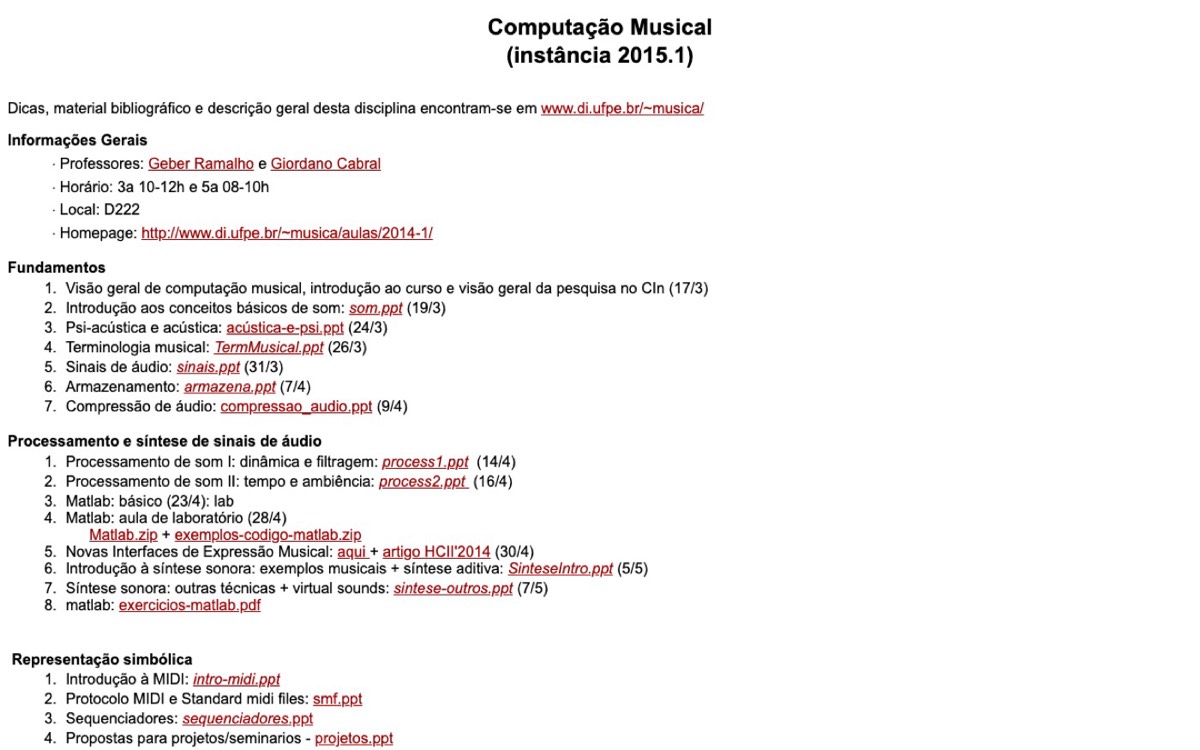
Computação Musical is the CIn/UFPE undergraduate course on sound, music and computers, taught by Geber Ramalho since 1999. Giordano Cabral taught three classes in it in 2009.1, before joining the Center's faculty (2009.1 syllabus); he began teaching it in 2015.1, with Geber Ramalho, and has led it since 2018. In 2025.2 he was teaching assistant to Filipe Calegário. The syllabus comes from the historical course description at www.cin.ufpe.br/~musica, in four blocks: fundamentals (sound, acoustics, psychoacoustics); processing and synthesis; symbolic representation and MIDI; music information indexing and retrieval. No musical background is required to take it.
02 · Teaching
Semesters
Twelve editions: 2015.1, 2016.1, 2016.2 (Computação Musical 2), 2017.2, 2018.1 (with the graduate class, IN1132), 2019.1, 2020.1 (interrupted by the pandemic and resumed in 2021), 2020.3 (remote), 2021.1, 2021.2 (Computação Musical 2, IF760), 2022.1 and 2025.2 (IF754, with Filipe Calegário). Google Classroom holds eleven cards.
03 · Teaching
What students do
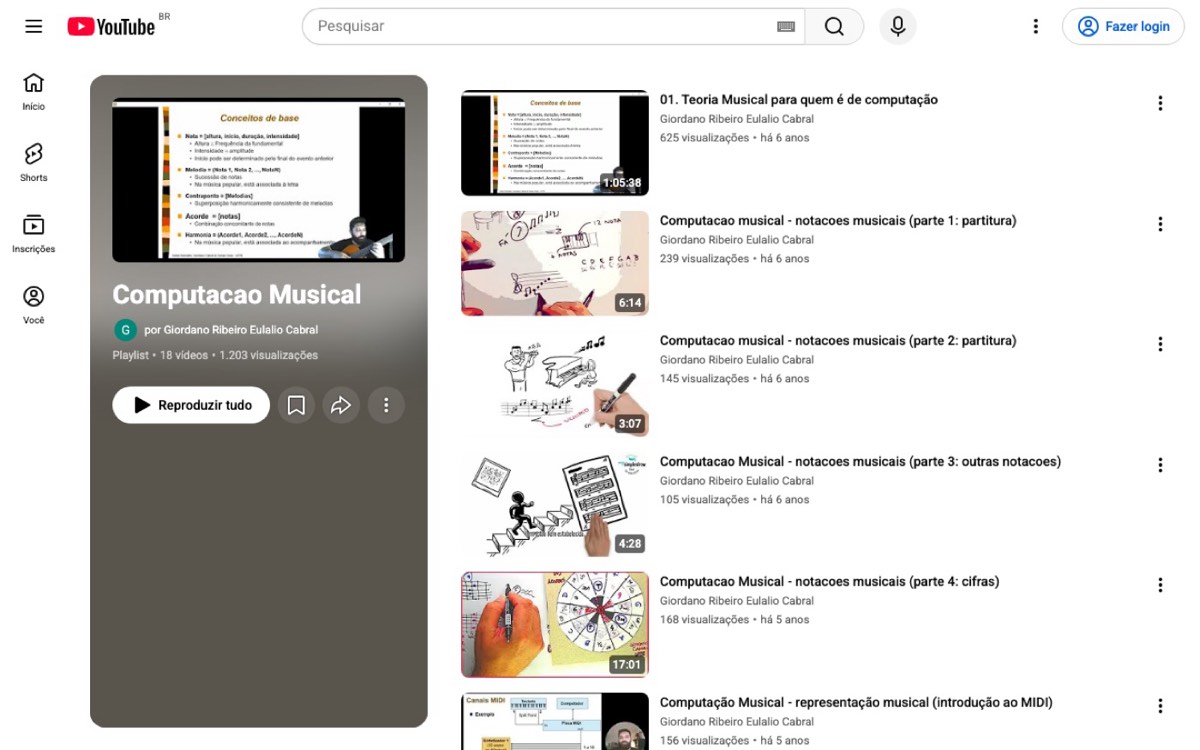
The course is organized around a project: each team builds a system that produces sound. The sequence repeats from edition to edition: presenting inspiring systems, ideation (inspiration cards, method 635, morphological box), group formation, project plan, technical submission with code, architecture and who did what, final submission with demonstration and 360 peer evaluation within the team. Guests from MusTIC and Daccord give talks and market feedback. In 2020.3 the eighteen videos of the course playlist were recorded and a curation of ninety pieces of content was gathered on Notion, used in later classes; in 2022.1 the course ran in three tracks — content, project and musical experience —, with quizzes prepared by the students themselves.
João Victor de Melo Bezerra, Victor Luiz de Paula Lima, João Victor Soares, Pedro Henrique Boa Hora da Silva, Marcelo Anderson Oliveira de Santana, Gabriel Araujo Uchoa de Andrade
Creative reinstrumentation through signal processing: the rhythmic and melodic components of an existing song are mapped and replaced with environmental sound samples.
Bianca Iz Sarabia, Gabriel Nogueira, Lucas Dias, Mateus Cavalcanti, Matheus Alves
A "collaborative Cifra Club": the user types in a song and sees lyrics and chords on a shared screen, with the chord chart synchronized to the audio and color-coded visual guidance.
Computação Musical 2022.1
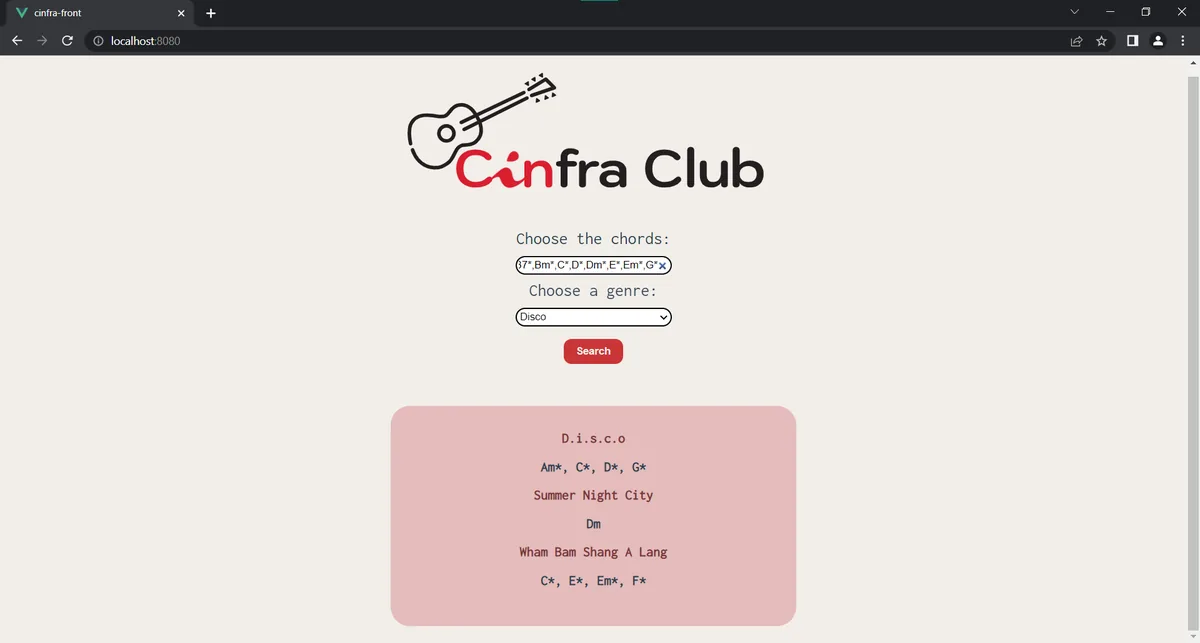
CInfra Club (chord search)
Gabriel Kristian Queiroz de Souza Jales, Iris Soares, Josue Fidelis de Oliveira Neto, Luana Porciuncula Barreto, Melissa Falcao
Application that finds songs on Cifra Club by the chords used to play them, with a database built by scraping the pages and a genre search.
Computação Musical 2022.1
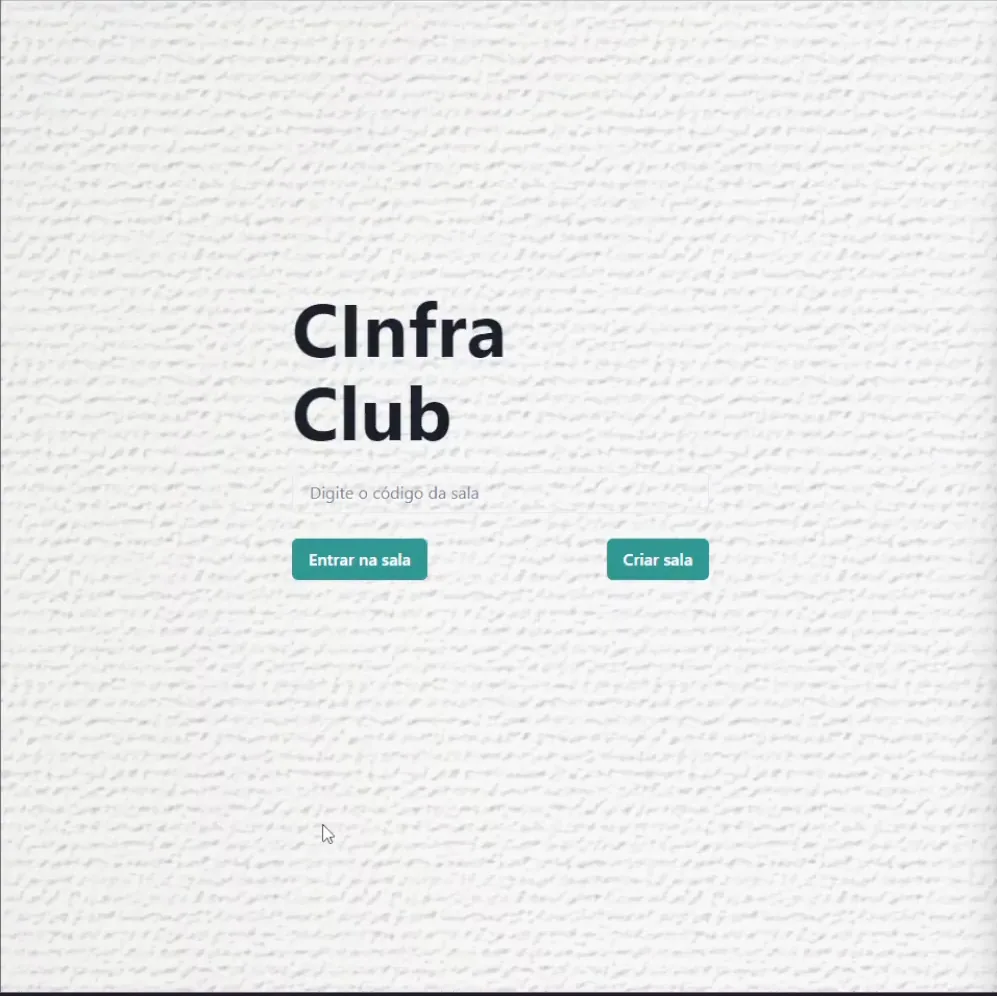
CInfra Club (rooms)
Bruno Nunes de Mesquita, Lucas Silva de Mendonça, Matheus Marinho de Morais Leça, Felipe Alexandre de França, Henrique de Oliveira Braga Sakane, Ramom José Correia Santos, Luís Carlos Lacerda Durans
Web application (React and Firebase) built around chord charts from Cifra Club, where users join or create a room using a code.
Douglas de Moura Cavalcante, Evaldo Garcia de Souza Junior, Maria Eulália Marques Gomes dos Reis Aires
Illustrated guide in presentation format covering concepts and tools in music computing.
Note repetition game
Computação Musical 2022.1
Amanda Maria da Penha Alves Santiago Silva, Bruno Martins Gomes de Santana, Amanda Nunes Silvestre Costa, Gislayne Vitorino dos Santos Silva, Lucas e Silva de Souza
Game for practicing note discrimination: the system plays a note (or a chord at higher levels) and the player repeats it, receiving feedback on whether it was correct or incorrect.
Music theory platform with learning materials, multiple-choice questions and exercises in which users place instruments or notes to match the music being played, with gamification based on progress.
Creative Sounds
Computação Musical 2020.1
Arthur Pires, Mario Wessen, Matheus Deodato, Pedro Santos, Renato Joaquim
Integrates Spleeter (AI-based vocal and instrument separation) with the OSC protocol, designed for remote performances during the pandemic and to support producers' creative process.
Anderson Henrique Batista da Silva, Gabriel Amancio da Silva, Geraldo de Medeiros Galvão Neto, Lucas Albuquerque, Pedro Fellip Farias da Silva, Saulo Alexandre de Barros
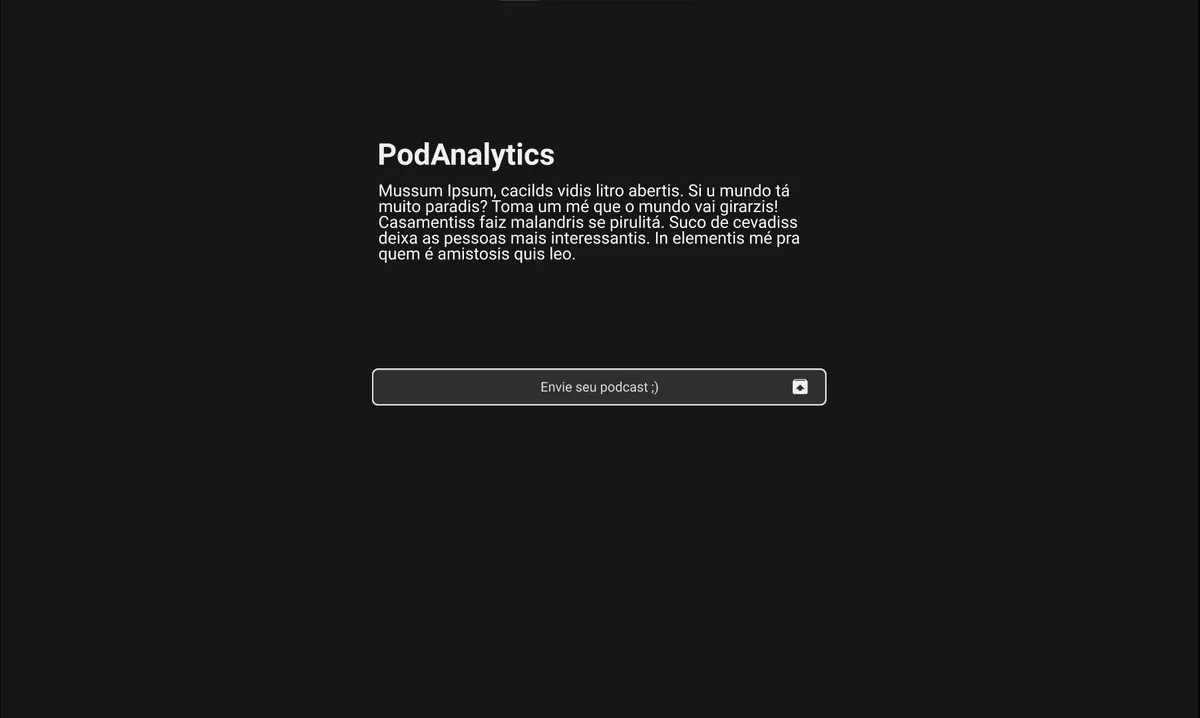
Podcast analysis tool: users upload audio and receive metrics about the episode.
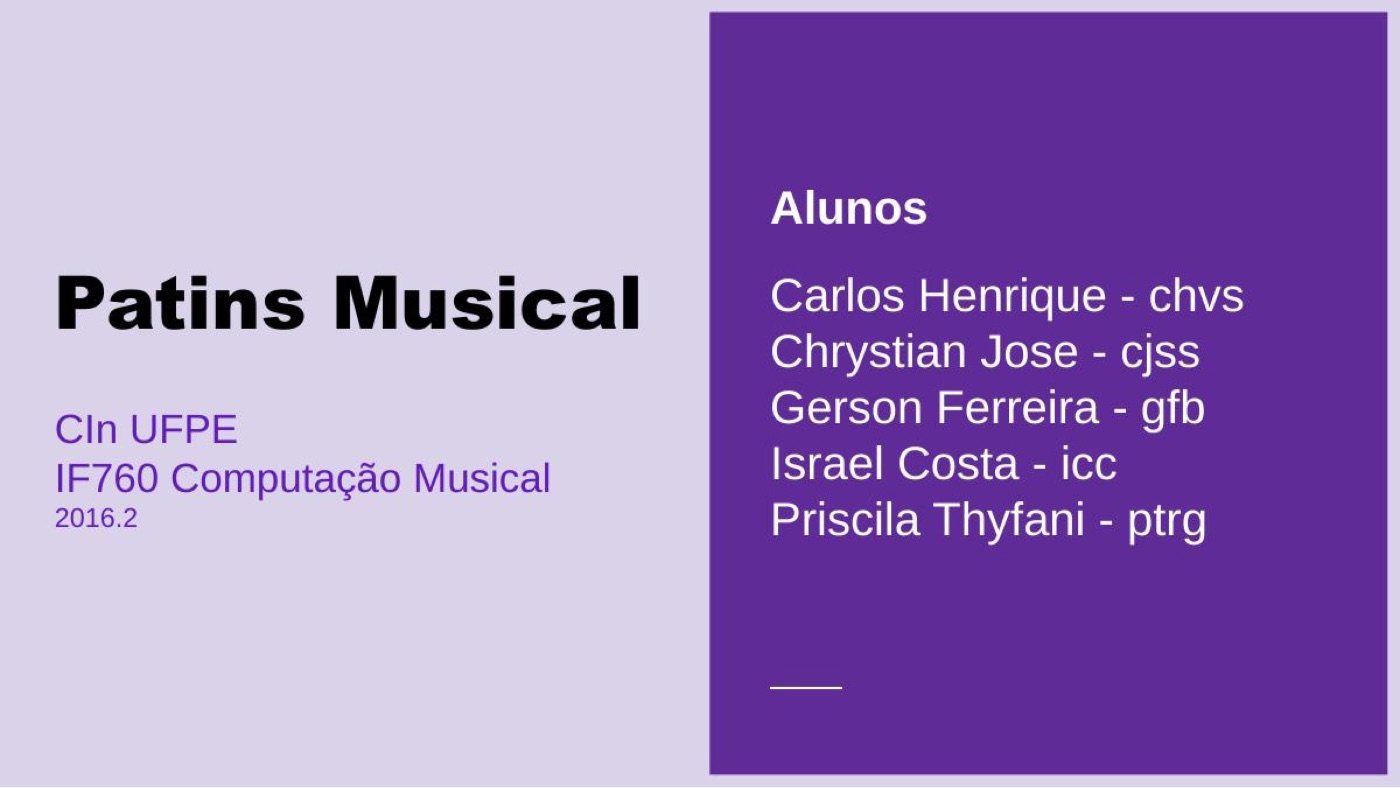
Carlos Henrique, Chrystian Jose, Gerson Ferreira, Israel Costa, Priscila Thyfani
Sensor-equipped skates for slalom skaters: tilt, rotation, speed, and pressure mapped to sound.
05 · Teaching
Course offerings
2015.1 — Computação Musical, with Geber Ramalho
Fundamentals in March, then processing and synthesis with Matlab labs — with the spectrogram code and the sine- and sawtooth-wave generators made available to the class —, symbolic representation and MIR.
Plom — final project. Team: Rafael Nunes, Lucas Tenório, Bruno de Assis, Thiago Tenório, Rafael Marinheiro.
Passarinho, que som é esse? — final project. Team: Marina Haack, Maria Gabriela Toledo, Leonardo Santos, Raissa Andrade.
Subtitle Sync — final project. Team: Danilo Ribeiro, Hugo Melo.
Square Play — final project. Team: Antonio Marino, Luiz Fernando Sotero, José de Arimateia Neto, Arthur Mendonça.
Drumsmith — final project. Team: Felipe Magalhães, Matheus Alencar, Pedro Araújo.
Drawusic — individual project by João Pedro Cordeiro.
Leap Overtone — individual project by Igor Calábria.
Tracking da beat — Rafael Acevedo, Rafael Monteiro, Lucas Netto, João Pedro Magalhães.
Sample Swap — Gustavo Figueiredo, Igor Ryan, André Luiz, Igor Calábria, Diogo Moraes, Diogo Ribeiro.
Starship — Adalson Castro, Augusto Costa, Romero Barata, Jorge Vinícius.
Videokê — Brunno Barros, Bruno Tavares, Artur Lubambo, Franklin Accioly, Paulo Vitor.
Links: https://www.cin.ufpe.br/~musica/2015-1/
2016.1 — Computação Musical, with Geber Ramalho
Same syllabus as the previous offering: Matlab exercises, additive synthesis implemented using the class code, skeleton code for an LFO and a comb filter, Pure Data with João Tragtenberg, music information retrieval, and, in June, an open-book exam.
Karaoke with voice matching — suggests songs in which the singer's voice resembles the user's: extracts the voice, performs the matching, removes the vocals, and presents the songs. Team: Matheus Dornelas Rodrigues, Vinicius Carneiro Pereira Souza. (Project proposal; other projects from the class were not found.)
Links: https://www.cin.ufpe.br/~musica/2016-1/
2016.2 — Computação Musical 2 (Tópicos Avançados em Mídias)
Continuation class, with Filipe Calegário as co-instructor and João Tragtenberg on a teaching placement.
Patins Musical — final project presented in 2016.2. Team: Carlos Henrique, Chrystian José, Gerson Ferreira, Israel Costa, Priscila Thyfani.
Patins Musical, final presentation for Computação Musical 2 (2016.2)
2017.2 — "Computação, Música & Áudio"
What remains from the semester is an August 2017 notice about a missed meeting and the invitation to a project launch at Portomídia.
2018.1 — Computação Musical (undergraduate and graduate IN1132), with Geber Ramalho
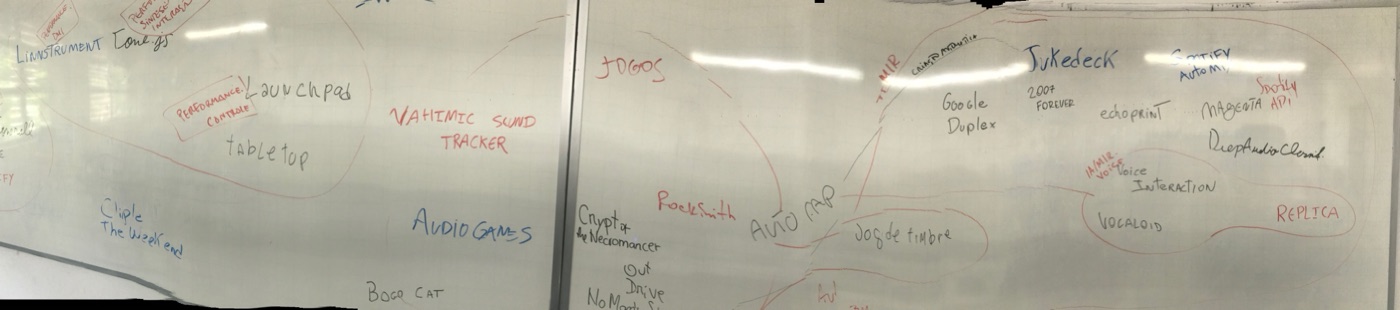
In March the class brought in inspirations — Song Maker, Guitar Hero, Rocksmith, Reactable, Tenori-on, Web Audio API, trackers, game audio dev diaries —, then grouped on the board into categories: DAWs, learning, singing, AI (MIR, algorithmic composition), production, digital musical instruments and games.
Spoofy — a graph of user–genre relationships based on streaming data; was published at spoofyapp.herokuapp.com (offline in 2026).
MusicGeo — a project idea from the MIR group (Moabe Renato), presented on April 24, 2018.
Desenvolvimento e Análise de Mercado para sintetizadores móveis — a study by Pedro Torchio on accessible synthesizers.
Music and mental disorders — a proposal from the MIR group.
Game groups ("Grupo de Jogos A": José Guilherme, Rute Moura, Samuel Martins, Thiago Bastos"Super Grupo de Jogos") and the DMI group (Hilton Pinto, Victor Miranda, Ricardo Barioni, Bruno Henrique, Daniele Sales, Luiz Henrique, Isabelly Damascena, Pedro Rossi, Victor Augusto, Tainã): final project names not found.
2019.1 — Computação Musical
Some students attended remotely: student Willams de Lima streamed the classes on YouTube, with 14 videos (https://www.youtube.com/playlist?list=PL_ldlLYkxXTz32y10GR8c1-KM3e29c5NC).
SongVerse — music composition in virtual reality: users manipulate planets and satellites representing instruments and sounds in an environment resembling outer space. Presentation at https://www.youtube.com/watch?v=3YsbPDdWaas.
RatMania — a runner-style music game based on O flautista de Hamelin that exercises memory, reflexes, rhythm, and listening skills; built in Godot 3.0, with music arranged and composed by Helena Gama. Team: Jeffson Simões, Helena Gama, Édipo Andersen, Jéssica Oliveira, Bruno José, Isaac Douglas, Wellington Almeida, Guilherme Calland. Code: https://github.com/Guilherme-Calland/RatMania. Presentation at https://www.youtube.com/watch?v=ICOYLaKlBSE.
Play Me Something — an algorithm for recommending soundtracks for books (text → emotion → attributes → track), with an experiment platform. Presentation at https://www.youtube.com/watch?v=1G9xKMkzsA4.
Korora — Monitoramento de Áudio — detection of recurring events in radio and TV streams to identify what is being broadcast. Team: Douglas Soares, Jônatas Clementino, Lucas Rufino, Malu Menezes, Ramon Saboya, Ullayne Fernandes. Presentation at https://www.youtube.com/watch?v=HaBoTtaylTE.
LED Sound Visualizer (Music LED) — a real-time sound analyzer that assigns a color to each instant and sends it to LED spotlights. Team: João Adherval Carvalho de Barros, Renato Gabriel Ferreira.
Spotify Club — Álvaro Arthur, Cristiano Oliveira, Jailson Gomes; originated in the "Playlists Geolocalizadas" group. Presentation at https://www.youtube.com/watch?v=HApk6izo8HA.
Magic Hits, DeeJai, and a project on music with augmented reality — also presented in July 2019; descriptions not found.
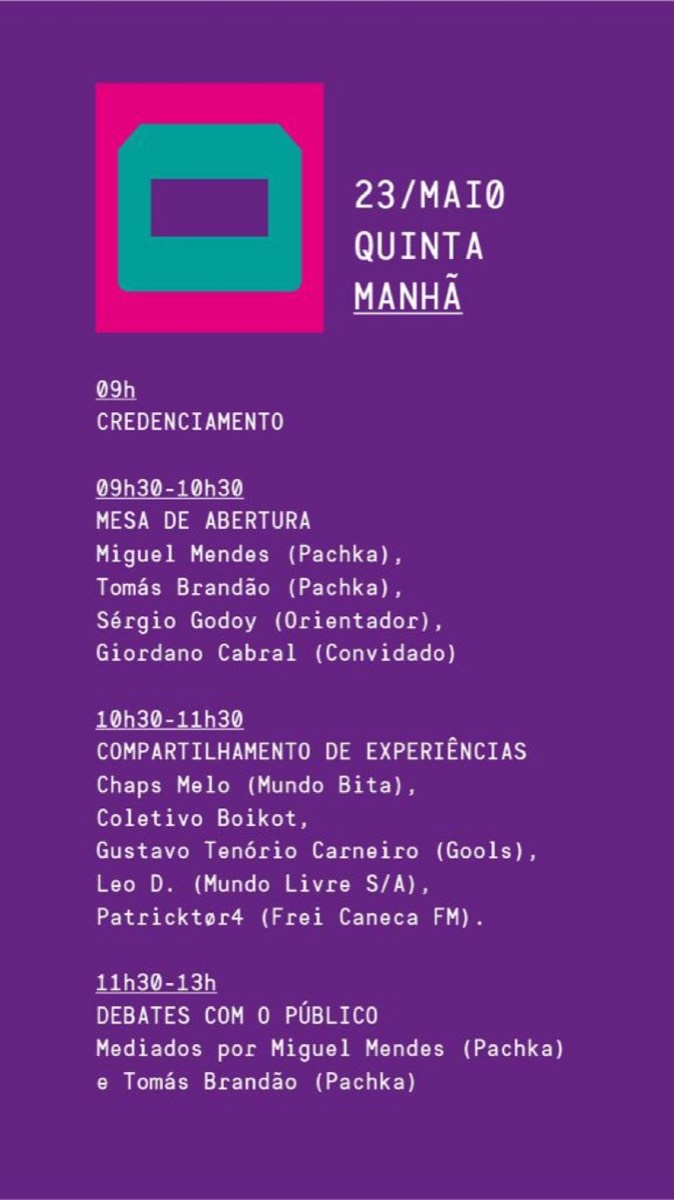
SongVerse, composition in virtual reality (2019.1)Korora, radio and TV audio monitoring (2019.1)Play Me Something, soundtracks for books (2019.1)LED Sound Visualizer (2019.1)Spotify Club (2019.1)Idea presentation by the music games group, which led to RatMania (2019.1)Board from the inspiration session, March 7, 2019Program for the meeting of music creators and researchers from Pernambuco, Porto Digital, May 23, 2019
2020.1 — class interrupted in March 2020 and resumed from January to May 2021
The class began on March 3, 2020, with inspiring systems and a morphological chart.
PodAnalytics — podcast analysis based on speech. Team: Anderson Henrique Batista da Silva, Gabriel Amancio da Silva, Geraldo de Medeiros Galvão Neto, Lucas Albuquerque, Pedro Fellip Farias da Silva, Saulo Alexandre de Barros.
Creative Sounds — remote performance and producer support: integrates source separation from Spleeter (Deezer) with the OSC protocol, inspired by Probatio. Team: Arthur Pires, Mario Wessen, Matheus Deodato, Pedro Santos, Renato Joaquim.
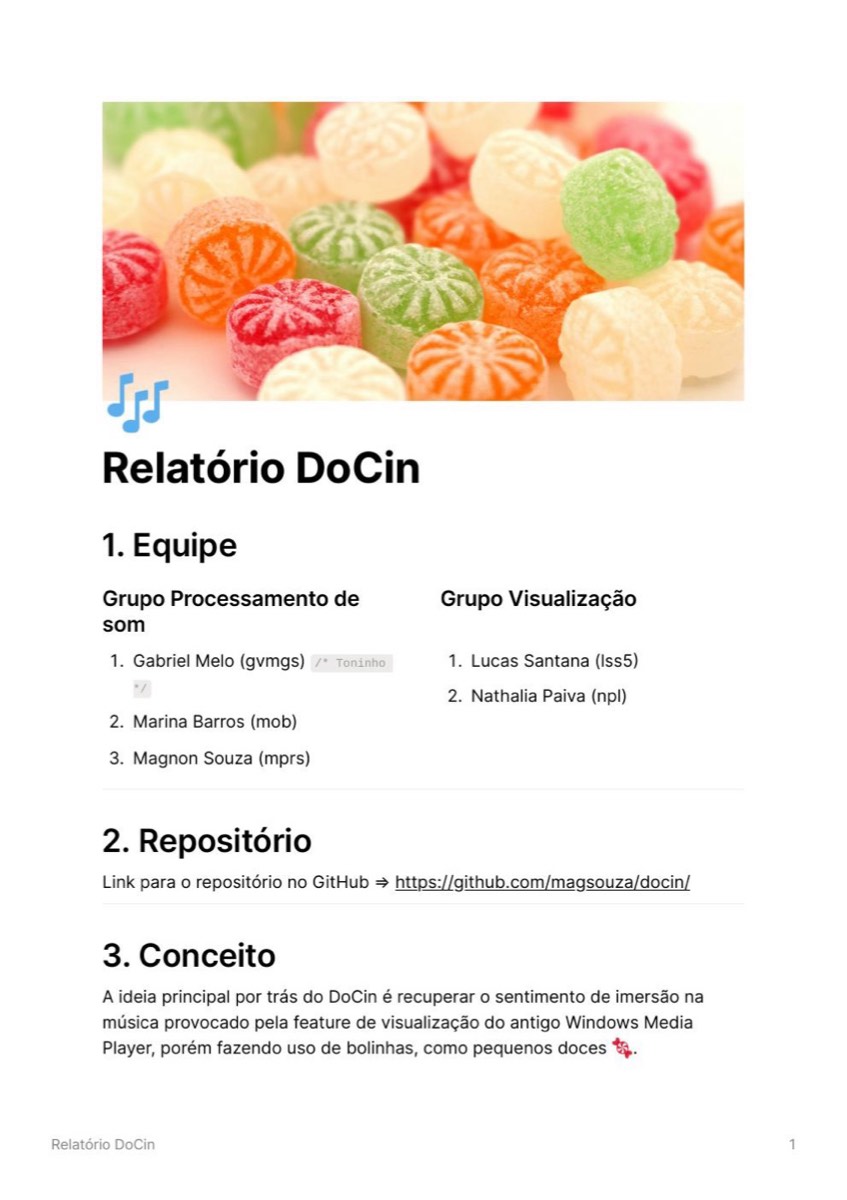
DoCin — music visualization with "little sweets" that react to features extracted from the audio, in the spirit of the Windows Media Player visualizer. Team: Gabriel Melo, Nathalia Paiva, Marina Barros, Magnon Souza, Lucas Santana. Code: https://github.com/magsouza/docin/.
Songs — a song-guessing game in which players listen to tracks separated by Spleeter and modified in Audacity (Vue.js, Python, Librosa). Team: Andreza Dantas Layme Pifano de Moura, Filipe de Melo Silva, Ismael Rufino Alves Júnior, Jefferson Elder da Mota Nascimento, Mikahel Leal Dias. Code: https://github.com/adlpm/songs and https://github.com/fmelosilva/songs-api.
Unity + API do Spotify — a Unity project that uses the Spotify API. Team: Douglas Santos, Lucas Aurélio, Lucas Thierry, João Victor.
Mir-ar-e-acertar — MIR group (preparation for ideation).
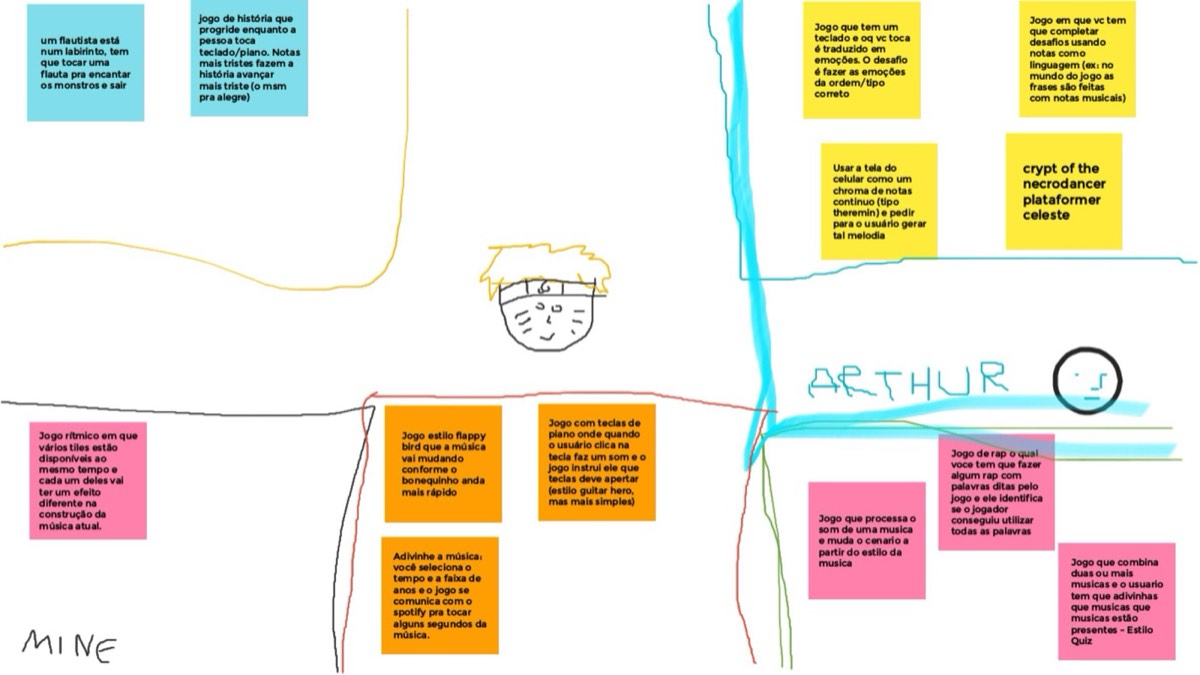
Report on DoCin, a music visualizer (2020.1)Songs, a guessing game with AI-separated tracks (2020.1)Technical report on the Unity + API do Spotify project (2020.1)635 ideation board from one of the groups (2020.1)Mir-ar-e-acertar group, preparation for ideation (2020.1)
In this class the course's video playlist was recorded — music theory, notation, MIDI, sound, acoustics, signals, storage, processing, synthesis, MIR — and the curation of materials on Notion was organized.
Accord — a Discord bot that recommends and plays music based on the tastes of group participants, using the Spotify API.
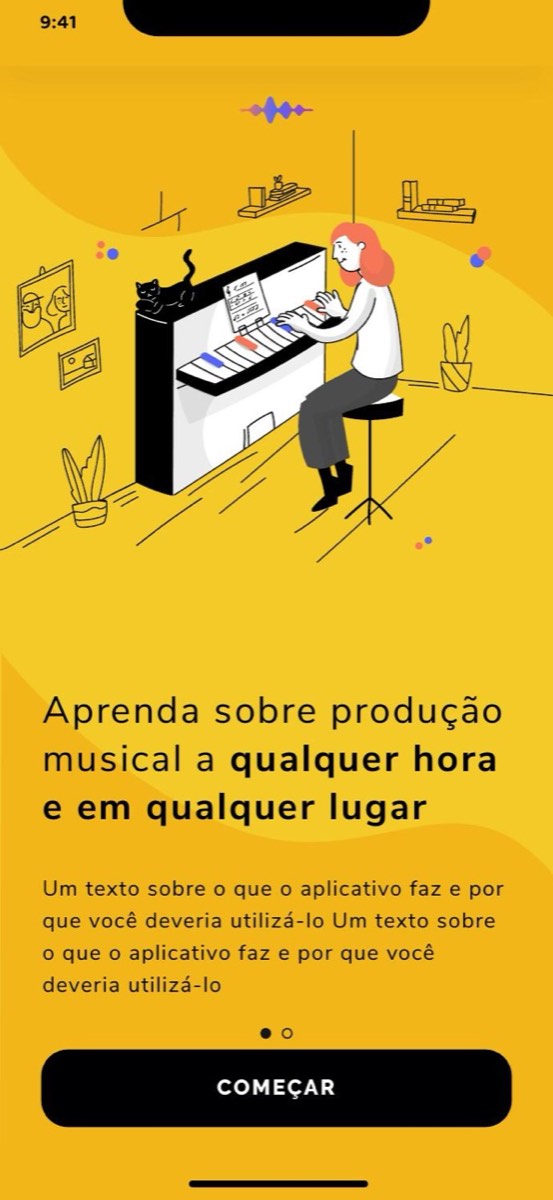
Set — a platform for organizing music learning content, starting with music production. Team: Alecsandro Silva, Gabriel Barbosa, Henrique Gonçalves, Italo Soares, Kennedy Melo, Matheus Hopper, Victor Aguiar.
PianoHero (.MPG3) — generates a Guitar Hero-style sequence of buttons from a MIDI file; the initial idea was to generate platform game levels from audio. Team: César Bulhões, Igor Poncell, Jadson Lucena, Paula Vaz.
Feel It — a mobile game in which sound is felt through the phone's vibrations.
Note Brain — Adson Paulo da Silva Ramos, Thiago Henrique Lopes da Silva.
Dismorph — Augusto Sales de Queiroz, Danilo Vasconcelos de Freitas, Erik de Gouveia Zambom, Hugo Lispector, José André Carneiro Neto, Pedro Kempter Brant, Yuri Monteiro Rufino.
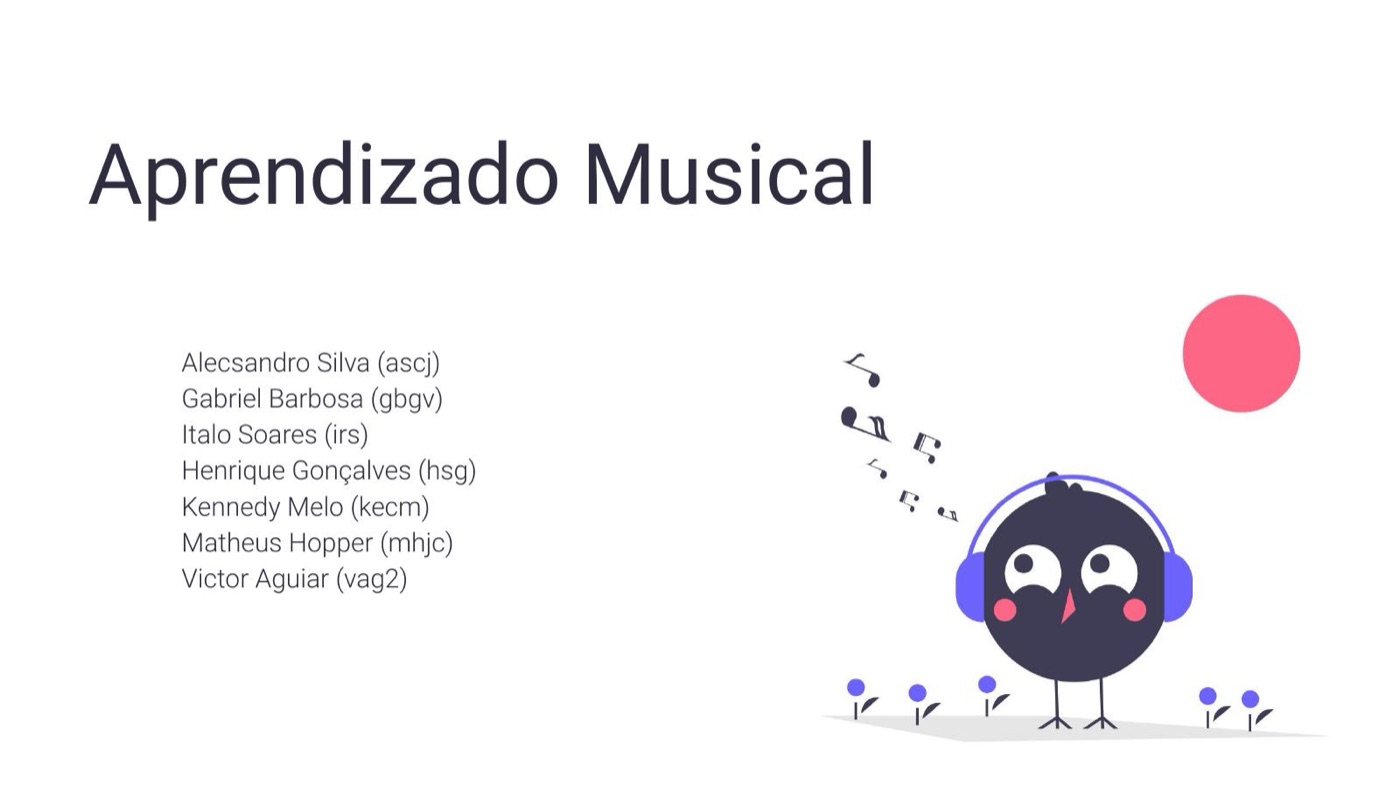
Aprendizado Musical — a gamified music theory platform with examples, questions, and exercises involving placing notes and instruments. Team: Alessandro Silva, Gabriel Barbosa, Italo Soares, Henrique Gonçalves, Kennedy Melo, Matheus Hopper, Victor Aguiar.
Recorded individual ideas: a sheet music reader that turns pages using face tracking (Lucas Valença) and Lickify (Danilo Vasconcelos de Freitas).
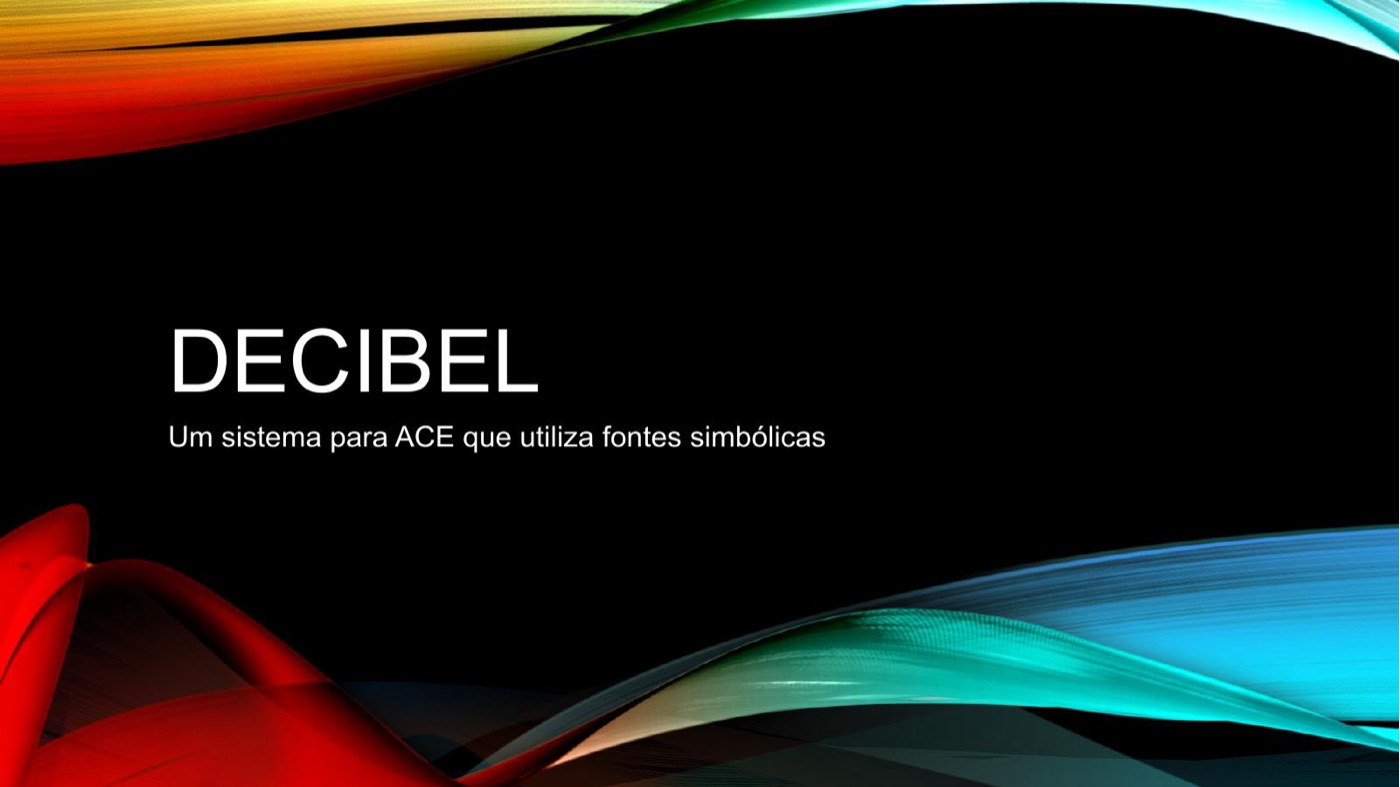
Poster for Accord, a recommendation bot for Discord groups (2020.3)Mockup of Set, a platform for learning music production (2020.3)Ideation for the Aprendizado Musical project (2020.3)Class on "Decibel", an automatic accompaniment system using symbolic sources (2020.3)
2021.1 — Computação Musical
Class created in Classroom in September 2021, with no announcements, assignments, or materials folder; the teaching allocation for that semester does not include Computação Musical.
2021.2 — Computação Musical 2 (IF760), February to May 2022
Hybrid class.
Tune It! — a multiplayer game in which players follow the rhythm of the music while advancing through each level's course; it develops a sense of rhythm and instrument timbres.
MelodyIA — generates monophonic melodies from sheet music (symbolic language) using an LSTM recurrent neural network.
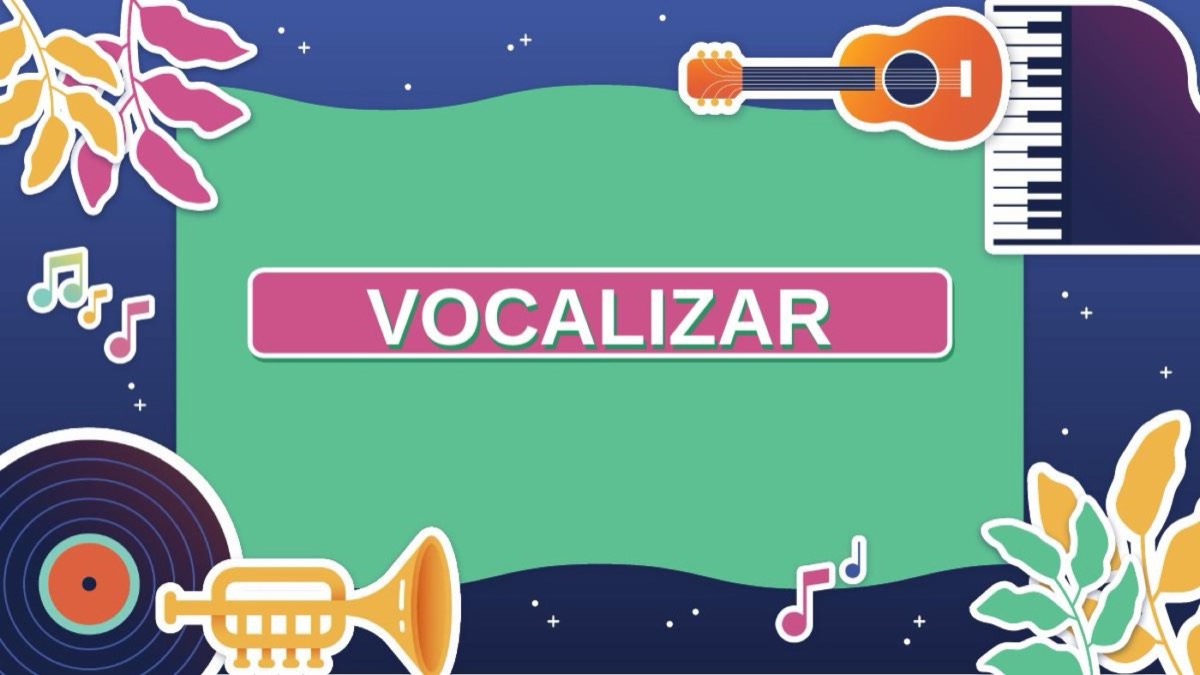
Vocalizar — a website with vocal exercises by voice type (bass, contralto, tenor, soprano) that uses colors to indicate whether the exercise is performed correctly. Team: Eduardo Silva, Filipe França, Pedro Arruda, Renata Albuquerque, Sheyla Souza.
Music guessing game using stem separation — guess the song by listening to only part of the instrumental accompaniment separated by AI.
Platform game with instruments — the setting is made of instruments and the player's movements produce sounds; players must reproduce the melody to advance to the next level. Team: Evaldo Garcia de Souza Júnior, Felipe Gomes de Santana, Guilherme Calland Rosa Borba, Rebeca Oliveira Silva.
Termus and Universe Music Experience — groups with submitted 360-degree evaluations; descriptions not found.
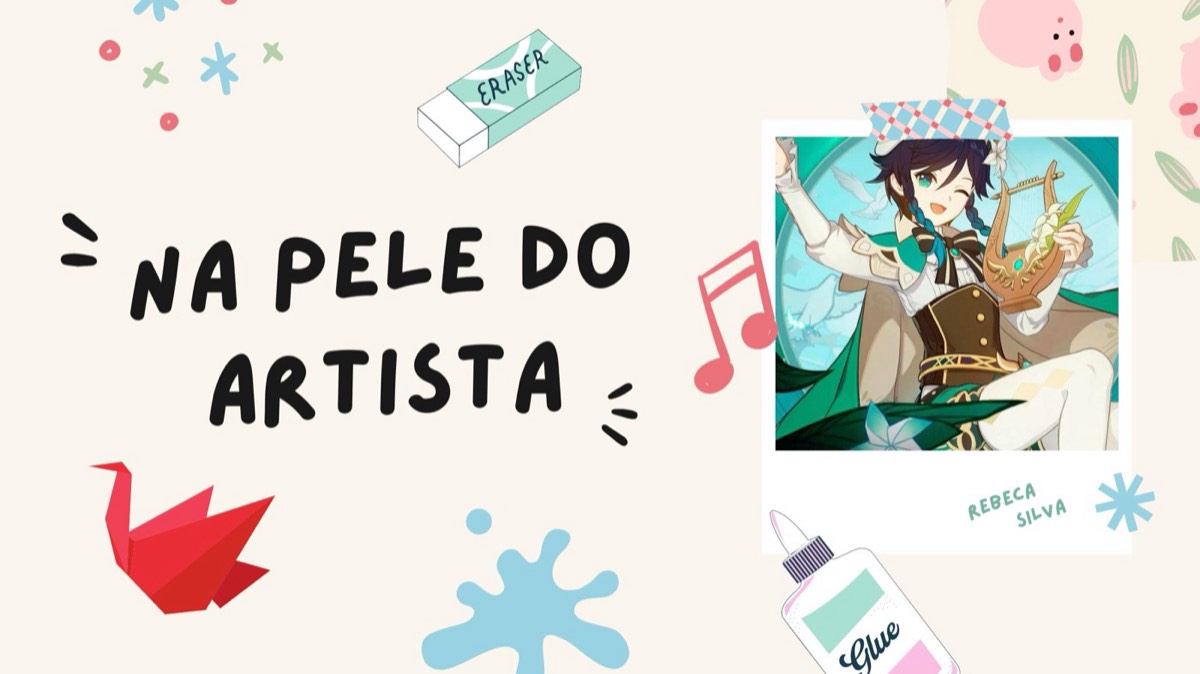
Tune It!, multiplayer rhythm game (2021.2)MelodyIA, melody generation with LSTM (2021.2)Vocalizar project plan (2021.2)Submission for the "In the Artist's Shoes" assignment (2021.2)
2022.1 — Computação Musical (Music Computing), June to November 2022
The edition ran in three parallel tracks.
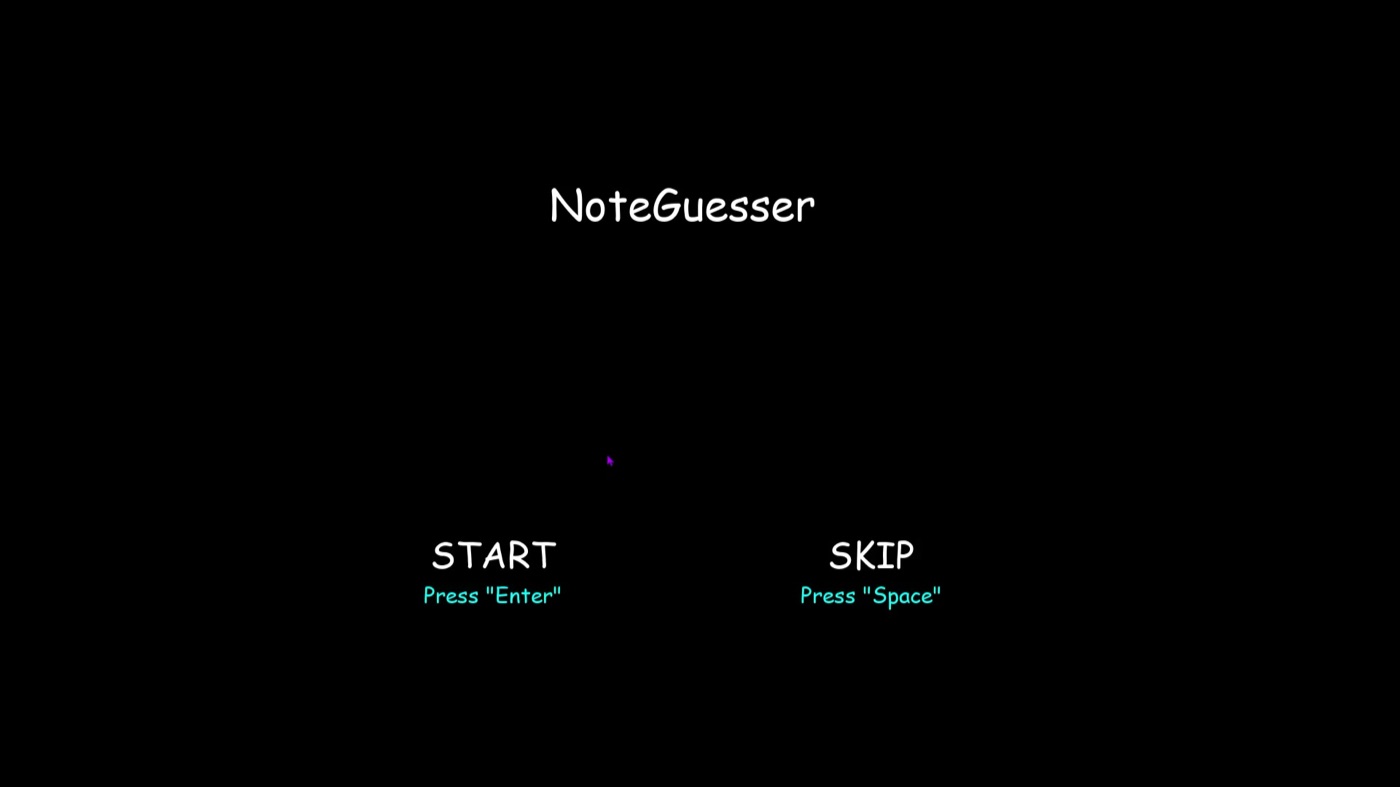
NoteGuesser — an ear-training game: a note plays and the player chooses from four options (or plays the note on an instrument) against the clock. LAG group (games): Amanda Santiago, Amanda Nunes, Gislayne Vitorino, Lucas Souza, Bruno Martins.
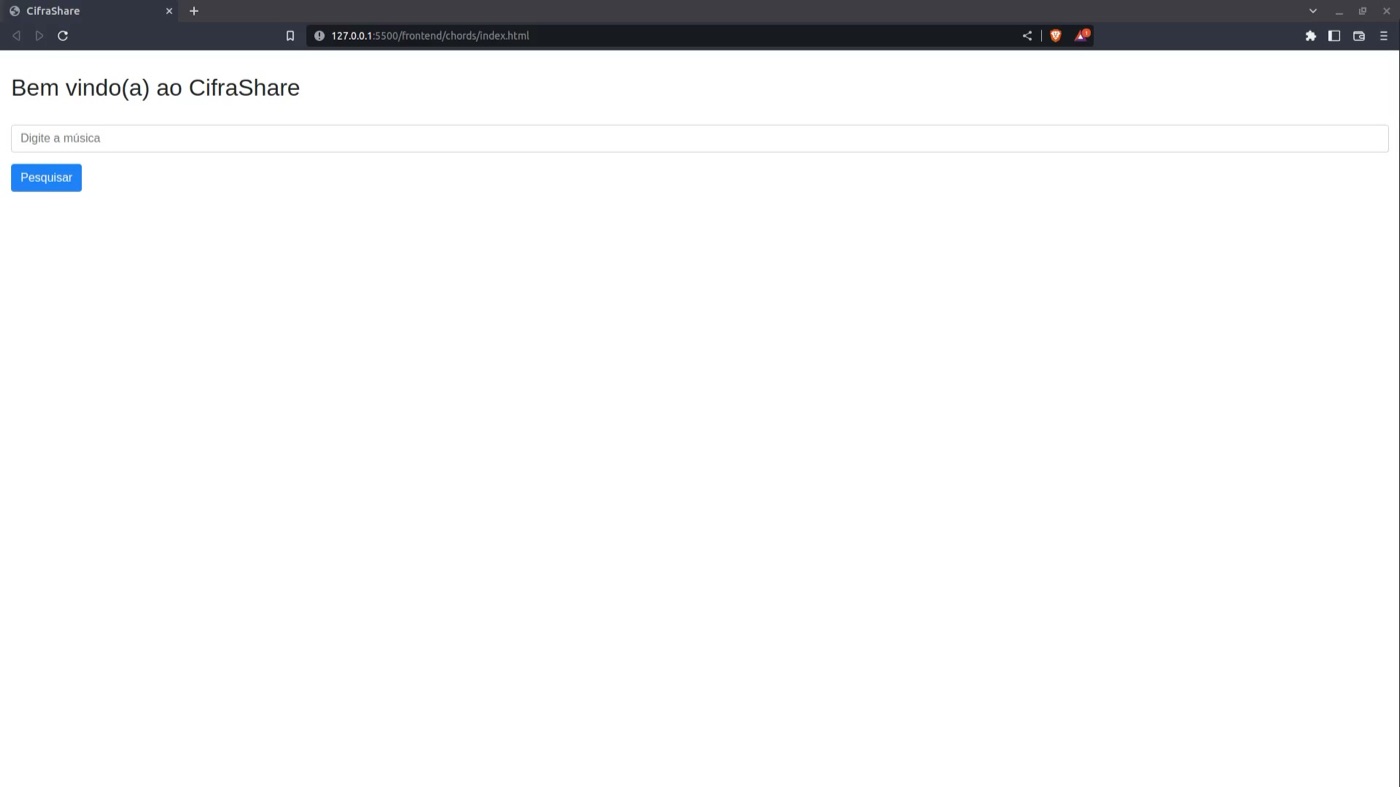
CifraShare — a web system for organizing, editing, and sharing a band's chord charts, with a repertoire everyone can "play." Team: Felipe França, Henrique Sakane, Lucas Mendonça, Matheus Leça, Ramom Santos.
Cifra Club Colaborativo — choose a song and view lyrics and chords on a screen shared by multiple people. Team: Bianca Iz Sarabia, Gabriel Nogueira, Lucas Dias, Mateus Cavalcanti, Matheus Alves.
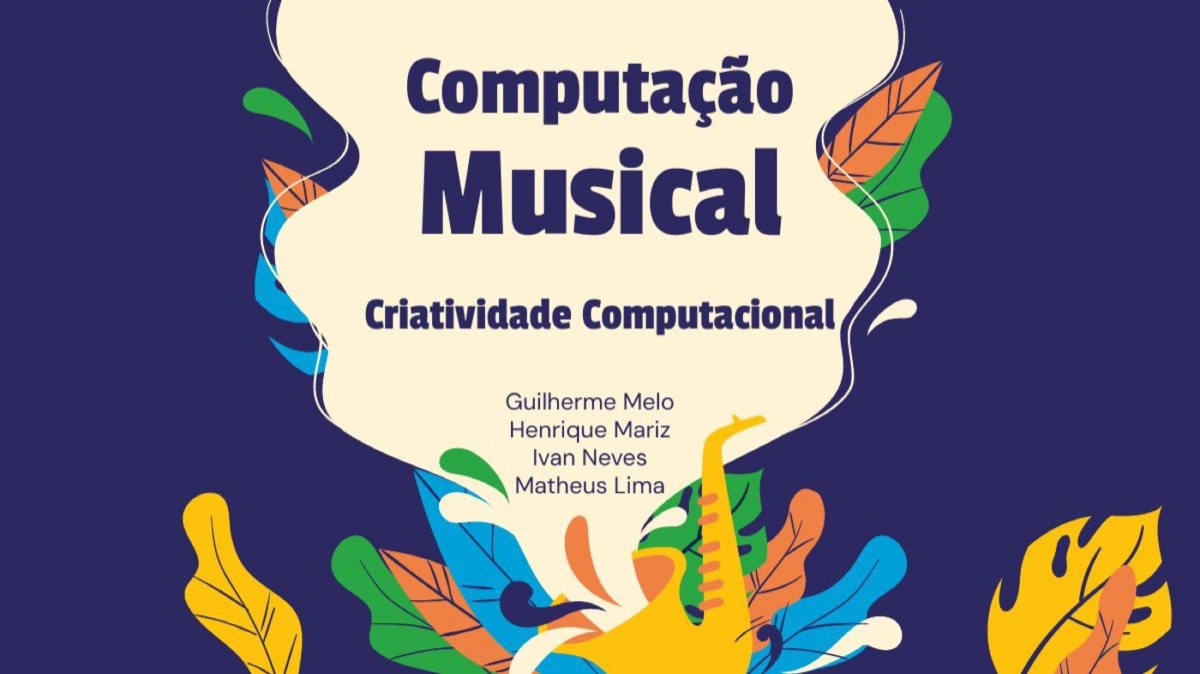
Music to Image — generates a sequence of AI images from song metadata (Spotify audio features) and text to create a music video. Team: Guilherme Melo, Henrique Mariz, Ivan Neves, Matheus Lima.
Guia Prático de Computação Musical — Douglas de Moura Cavalcante, Evaldo Garcia de Souza Junior, Maria Eulália Aires.
NoteGuesser, ear-training game (2022.1)CifraShare, shared chord charts for bands (2022.1)Music to Image, AI-generated music video based on a song (2022.1)
2025.2 — IF754 Computação Musical (Music Computing), with Filipe Calegário
Filipe Calegário's class, with Giordano Cabral as teaching assistant, at his invitation, from August 2025.
WatheverSong — creative re-instrumentation: a song's rhythmic and melodic components are replaced with samples of environmental sounds supplied by the user. Team: João Victor de Melo Bezerra, Victor Luiz de Paula Lima, João Victor Soares, Pedro Henrique Boa Hora da Silva, Marcelo Anderson Oliveira de Santana, Gabriel Araujo Uchoa de Andrade.
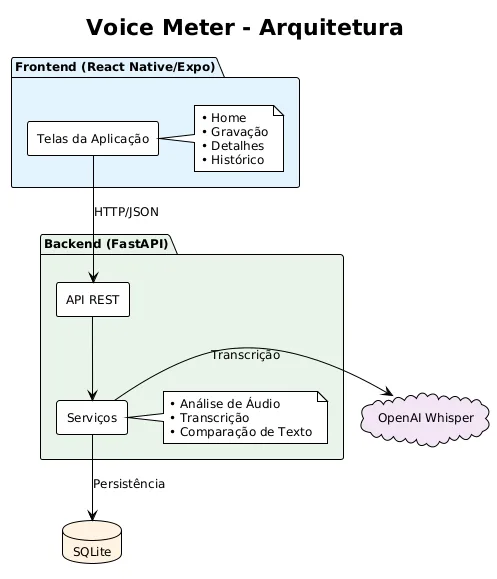
Voice Meter — a full-stack application for AI-assisted public speaking practice.
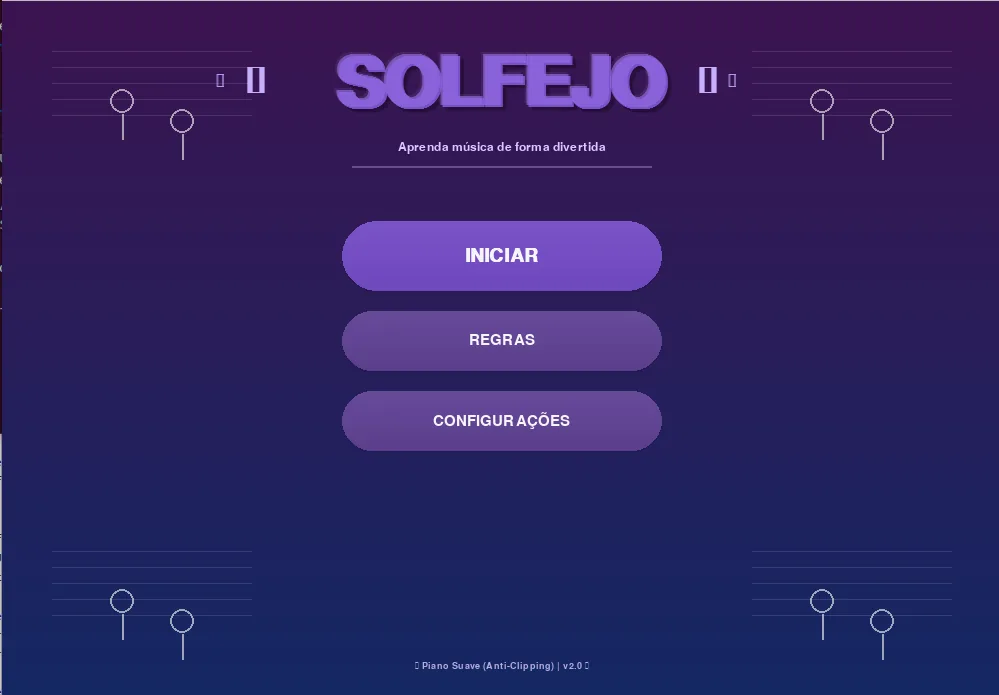
Jogo Solfejo — educational game with real-time pitch detection: the player sings the requested notes to progress. Team: Daniel Nascimento, Henrique Melo, Luis Eduardo, Mader Gabriel, Pedro Calheiros, Pedro Lucas.
WebChord — browser-based chord synthesizer using the Nashville Number System. Code: https://github.com/lgs4/webchord.
Piano roll with transcription — MIDI upload or YouTube audio transcription displayed in a piano roll (https://reef-tiles-production.up.railway.app/).
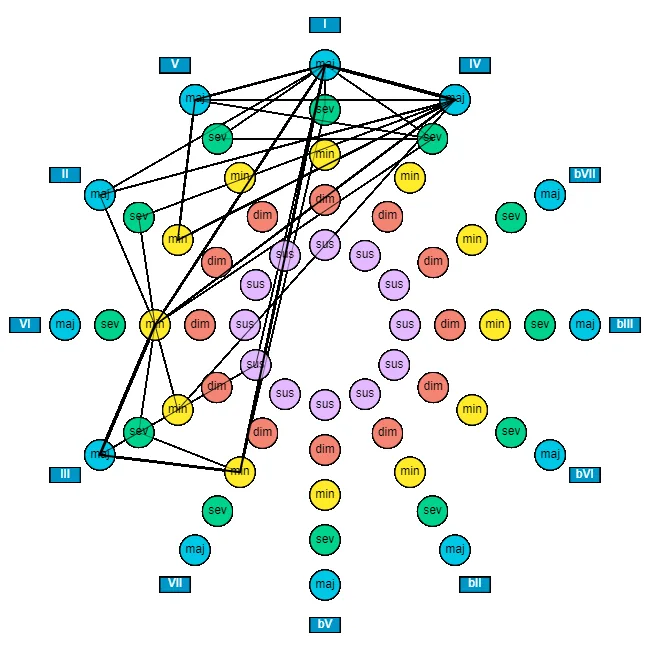
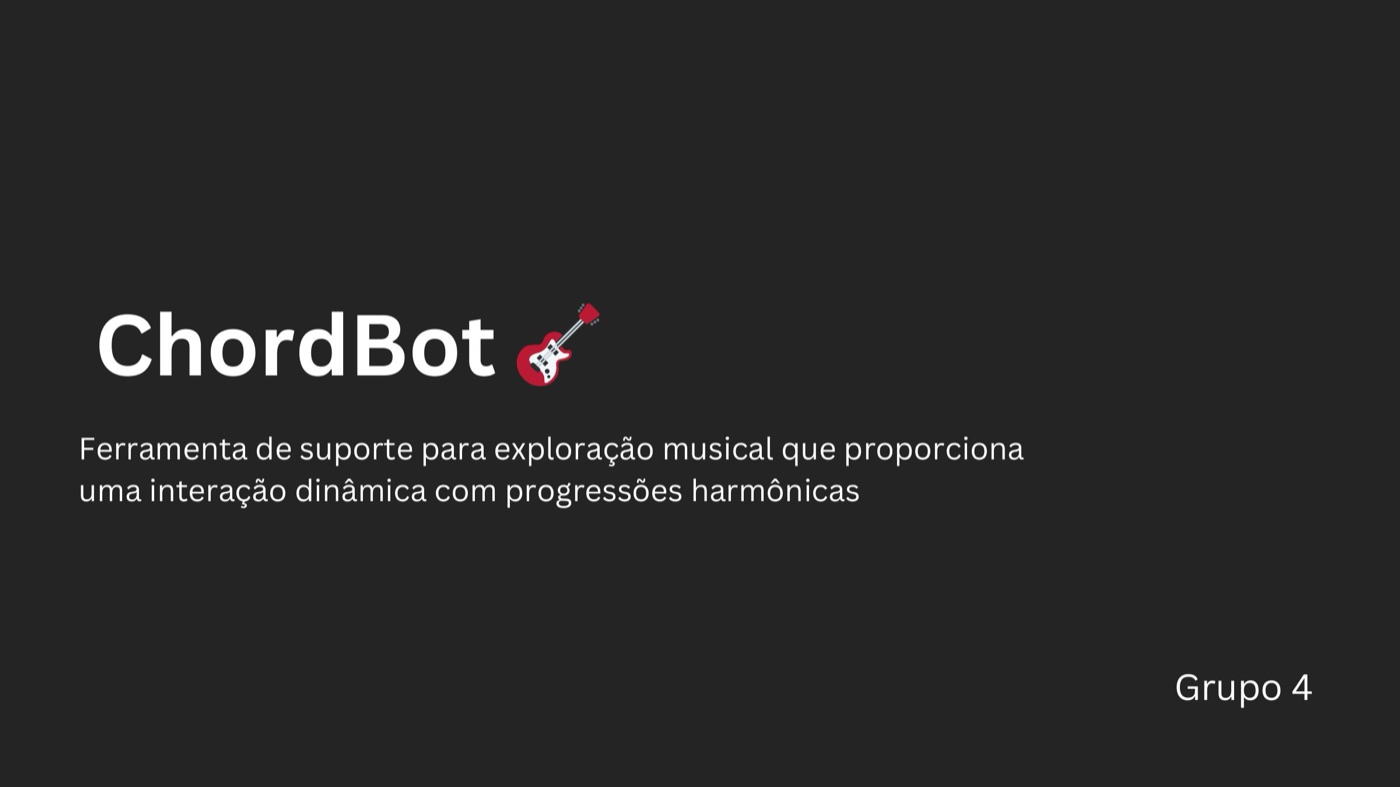
ChordBot — tool for exploring harmonic progressions (Flask + React).
Synesthesia Studio — studio prototype that connects sound and image.
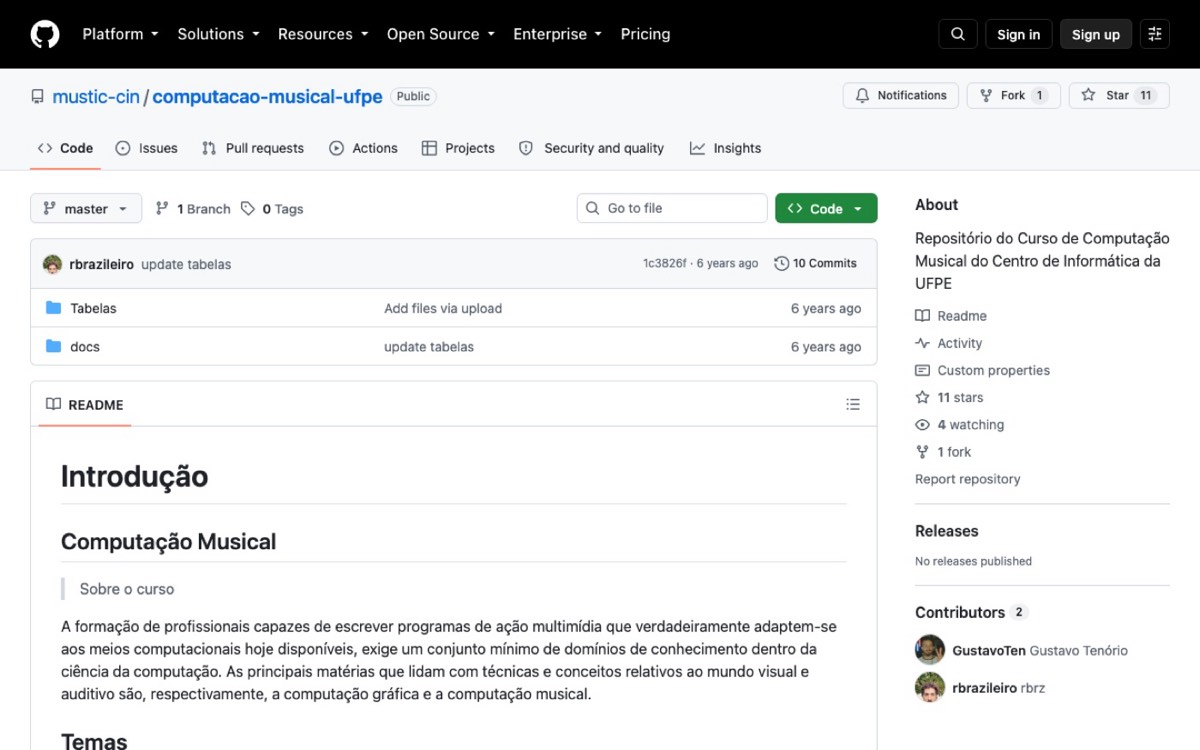
ChordBot, exploration of harmonic progressions (2025.2)"Music Reimagined": three concepts from the initial submission (2025.2)Project presentation at the "go or no-go" stage (2025.2)Course repository maintained by MusTIC
What is Computação Musical (Music Computing) (IF754 / IF760 / IN1132 (graduate))?
Digital sound synthesis and processing, music information representation and retrieval, computational creativity, languages and physical interfaces for music.